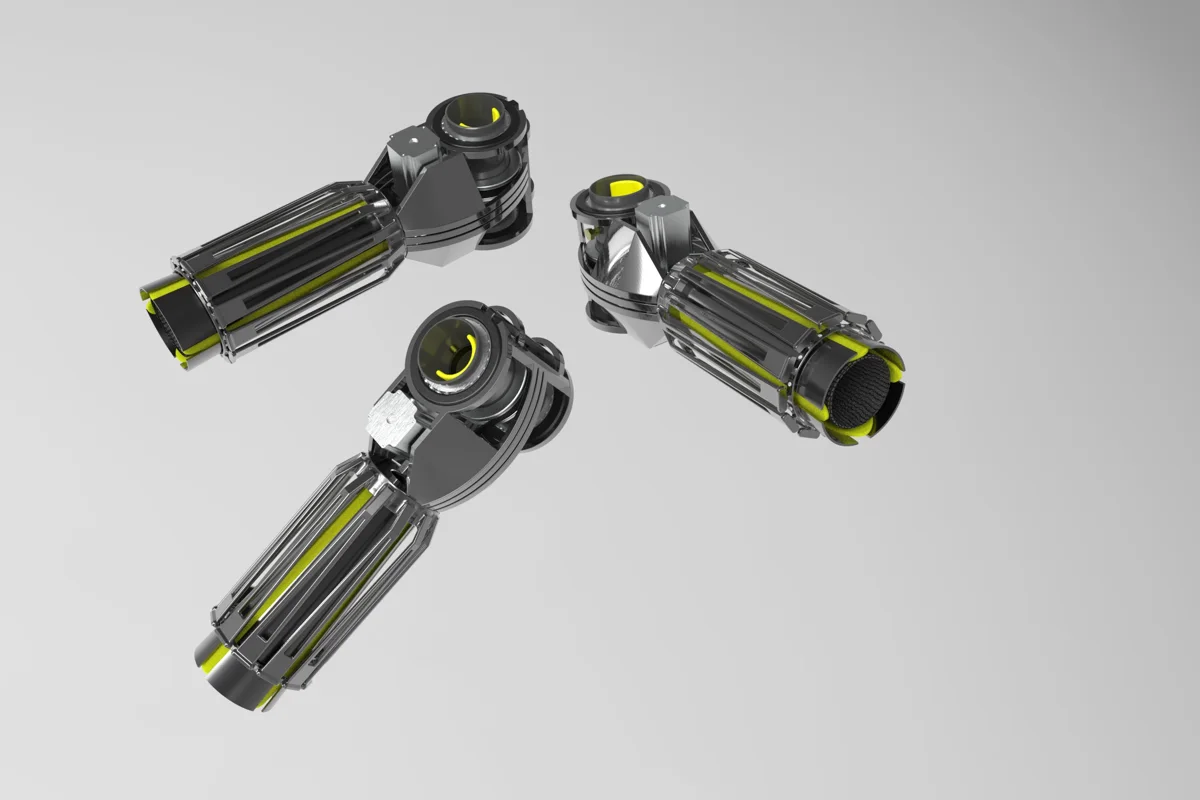
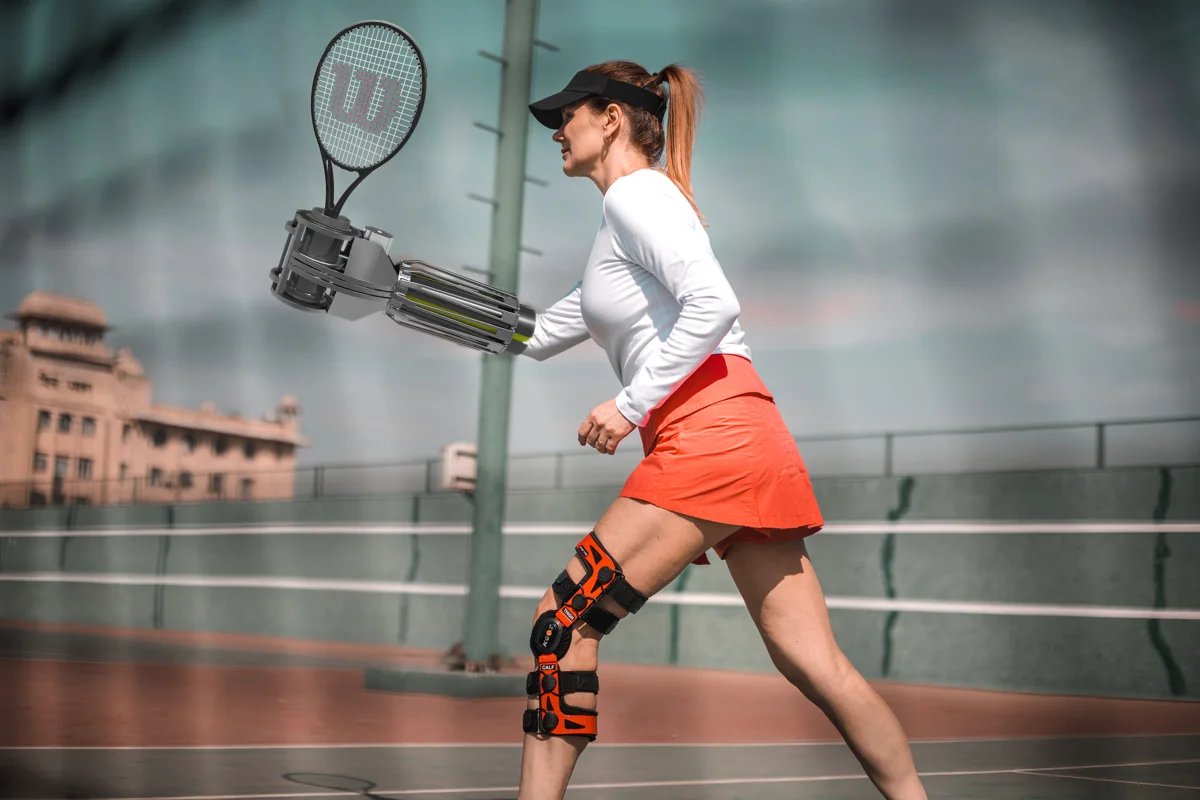
A myoelectric prosthetic racket for transradial amputees, allowing the grip to rotate via muscle signals. Empowering adaptive tennis players with fluid control and bold aesthetics.
The problem
Existing tennis prostheses are not convenient and almost none are for the upper limb. And if they are, the one recurring issue they face is a fixed grip. Not being able to rotate the grip and hit the ball at the right angles can cause discomfort and injuries.
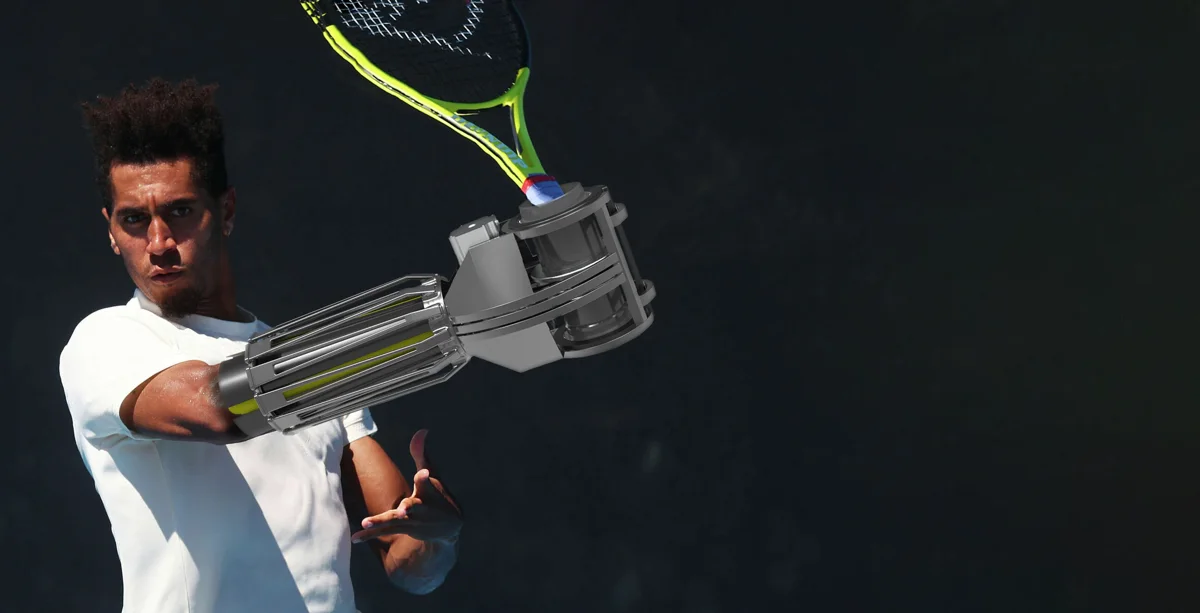
Who is it for?
The Tennis Smaasher is designed for transradial amputees who are tennis enthusiasts. There are many such amputees who cannot be included in the sport because no prosthesis exists that is specifically designed for them and provides the best solution to playing tennis as naturally as possible.
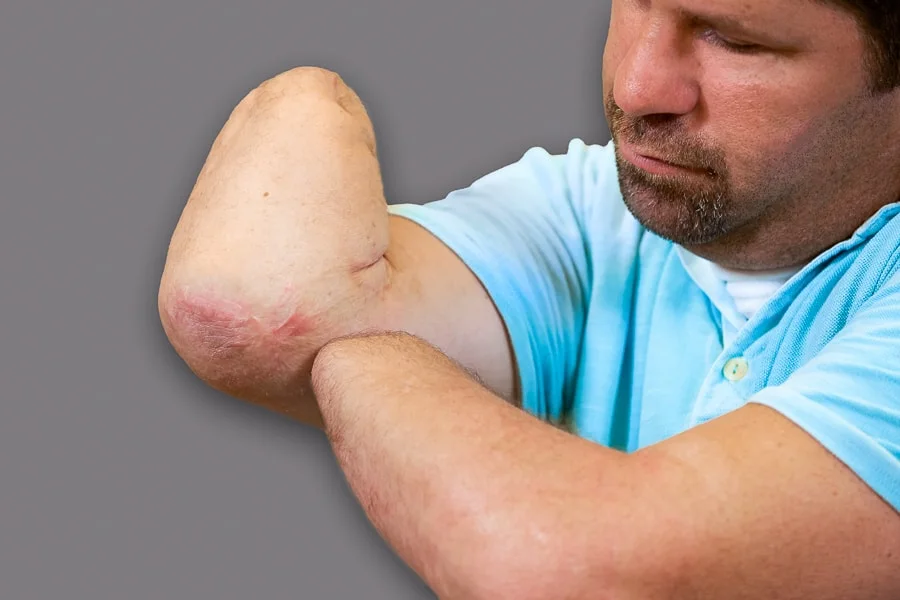

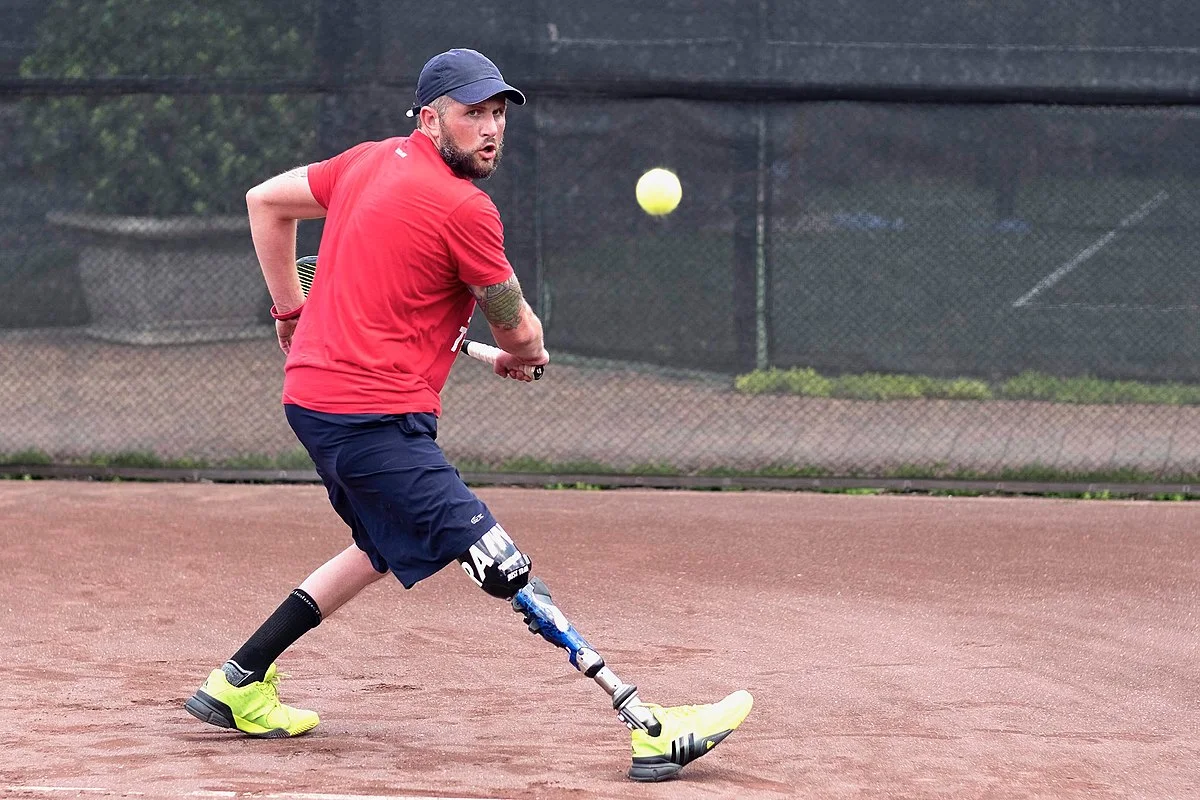
What is adaptive tennis?
The mission of Adaptive Tennis is to foster a tennis environment that supports and promotes programs and initiatives that meet the recreational needs of individuals with physical, mental, or emotional challenges. The game of tennis can be adapted to accommodate any age, environment, condition, or disability. The ultimate goal is to enable those who might not otherwise have the opportunity to learn and play tennis to be able to do so.

Ideation sketches
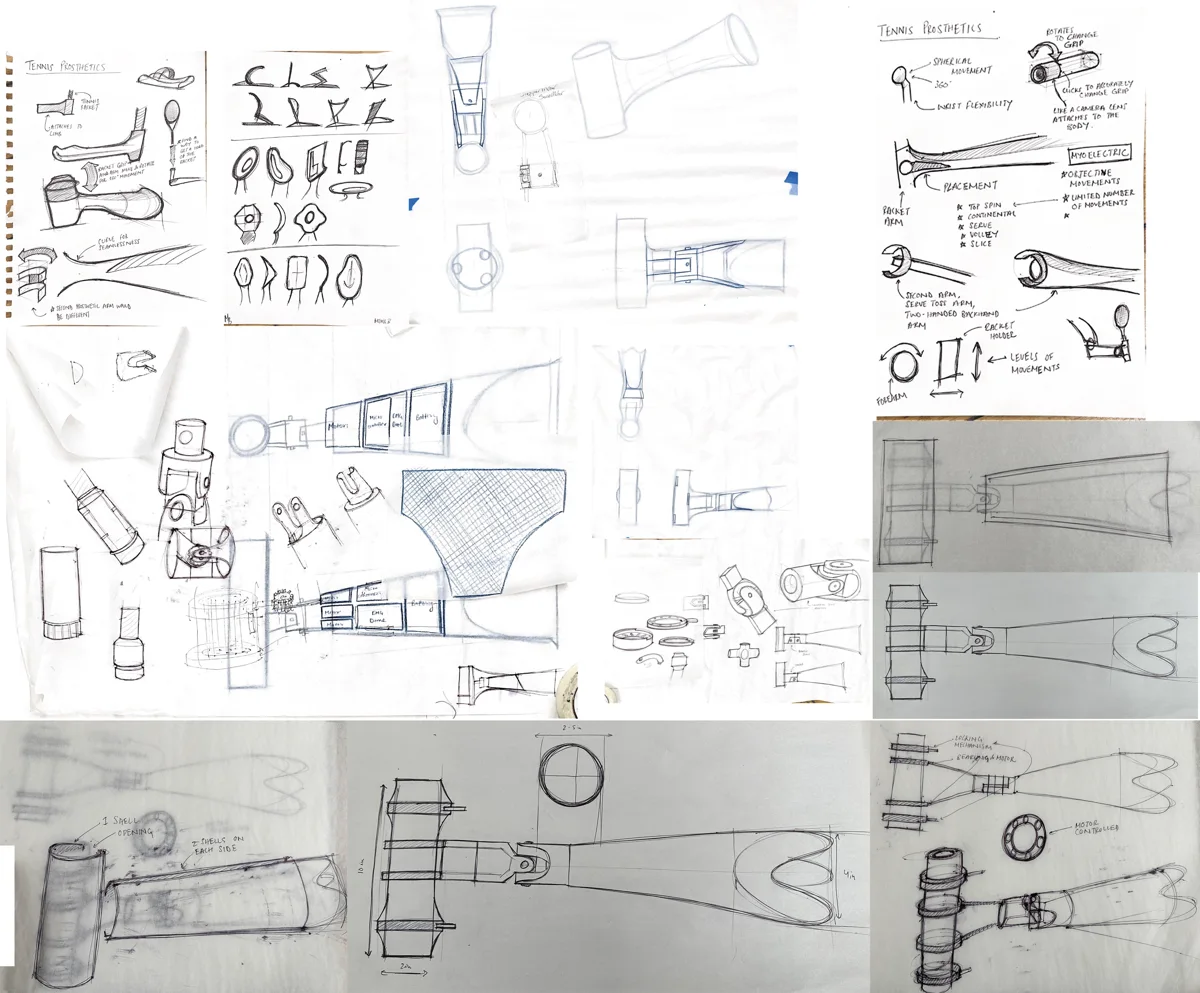
Sketch models
Choosing the best ideas and experimenting with scale and appearance.
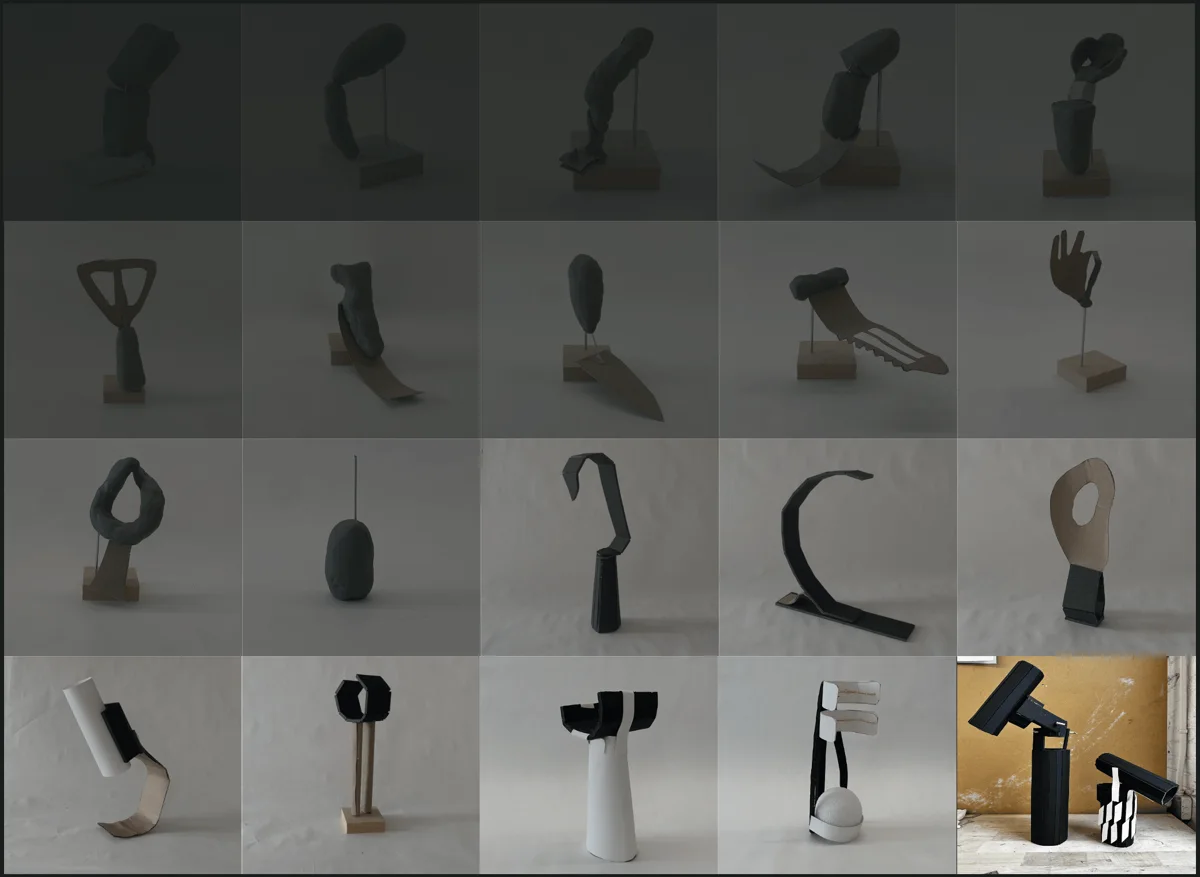
Form exploration
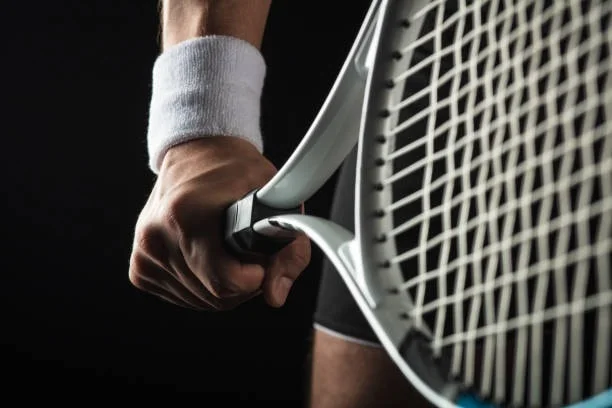
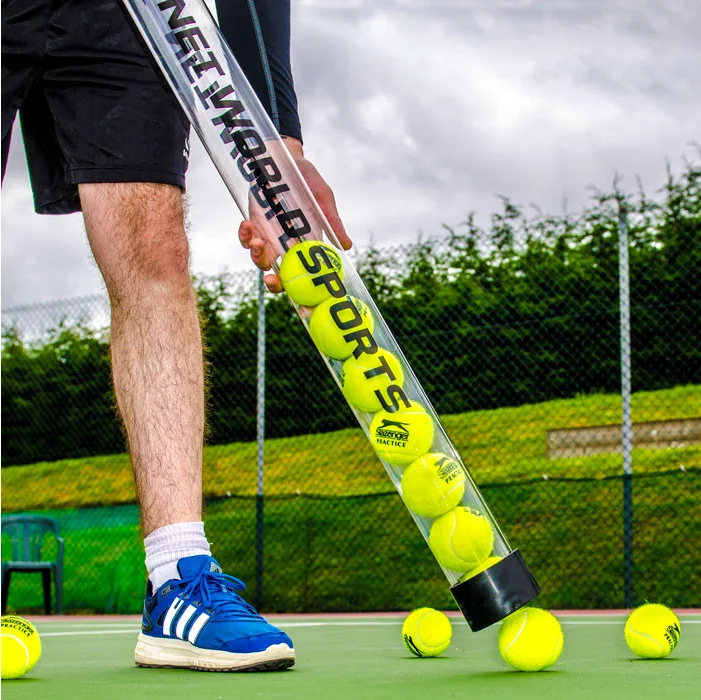
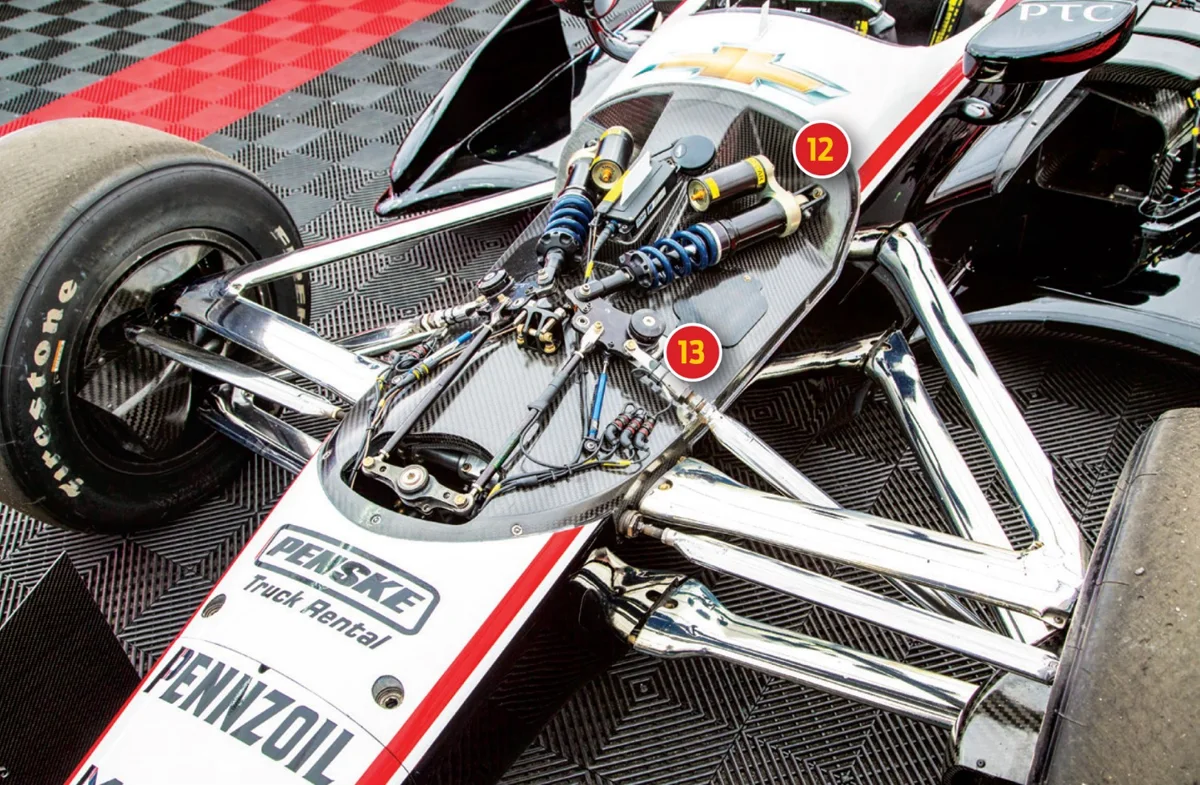
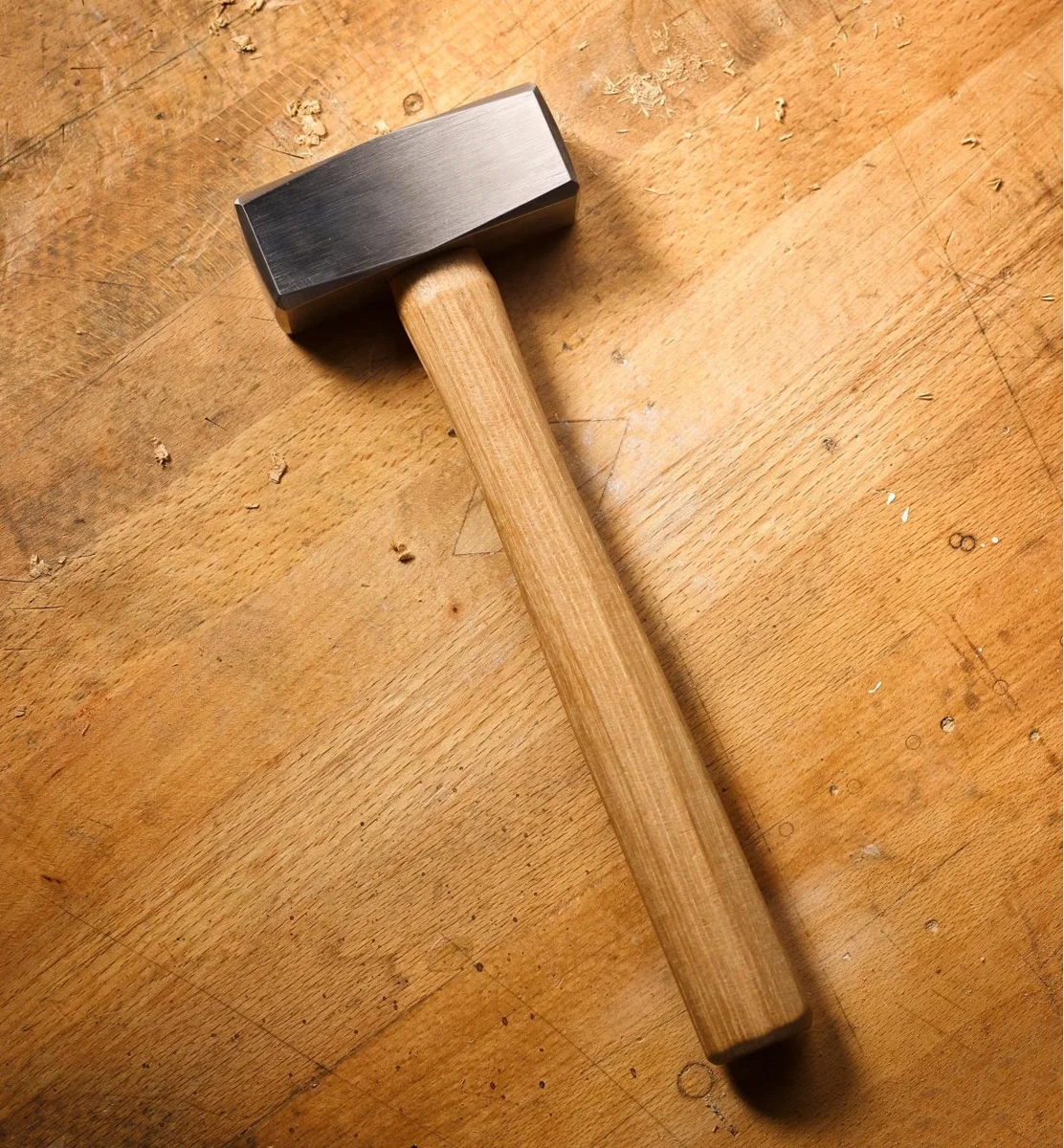
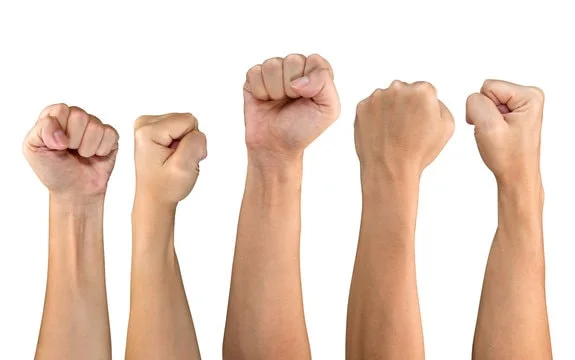
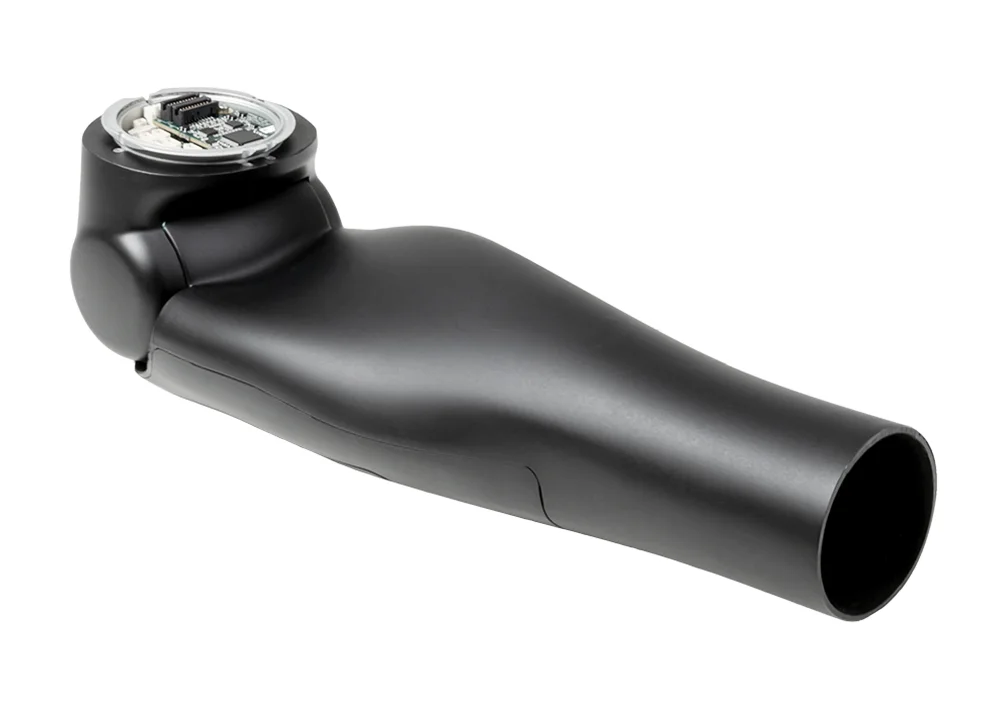
Forms borrowed from tools and grips: hammers, ball tubes, racket handles, race car suspension.
Function
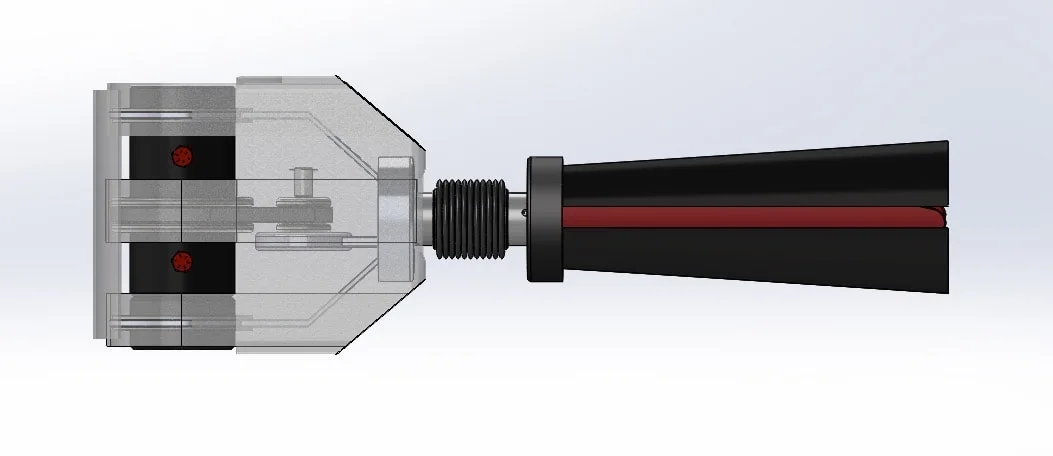
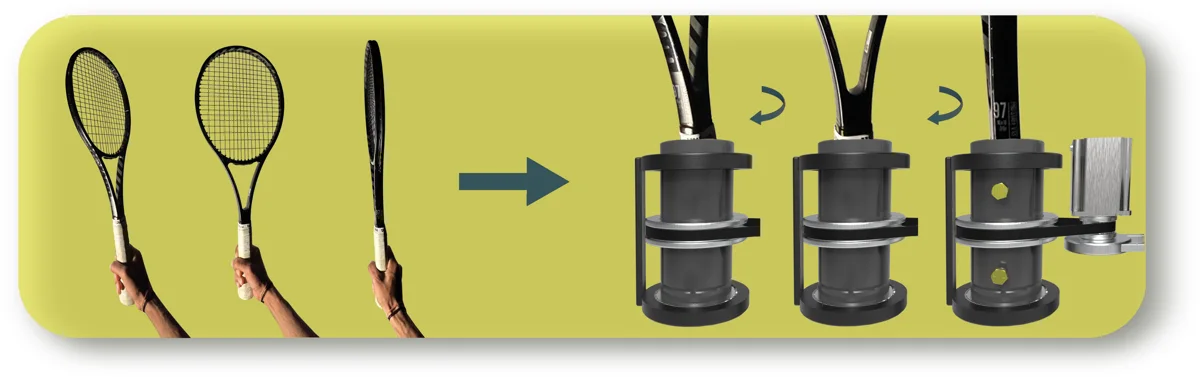
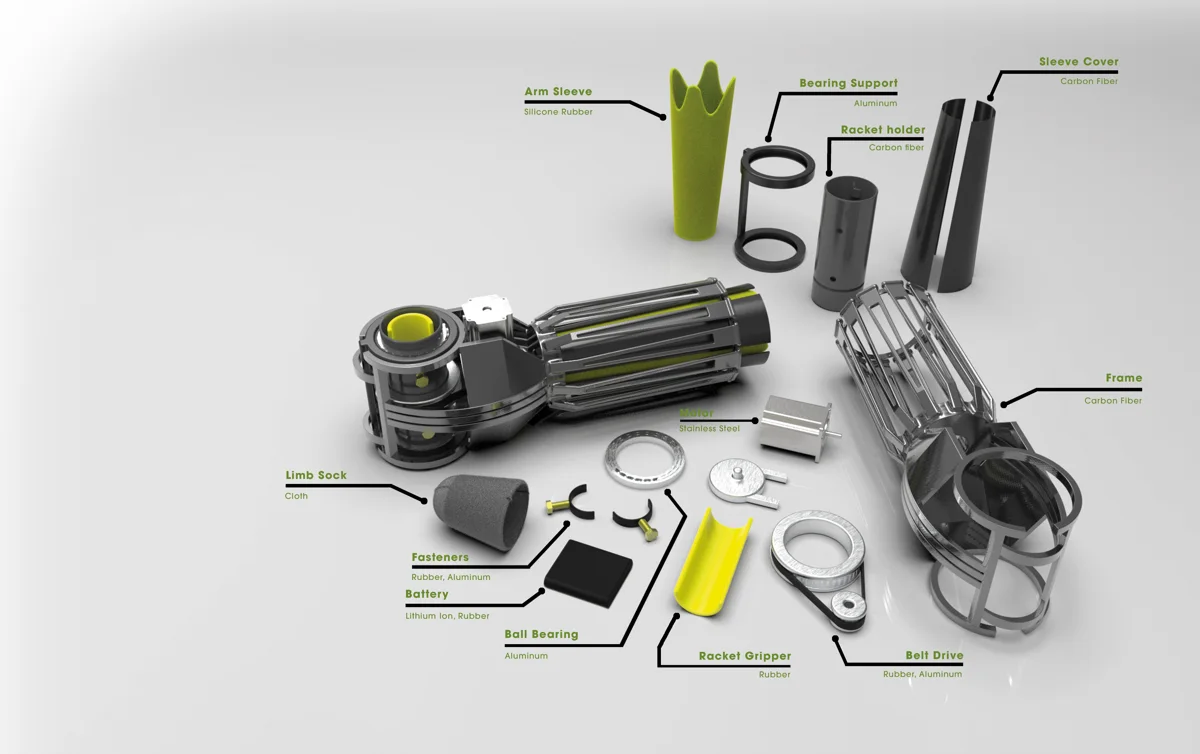
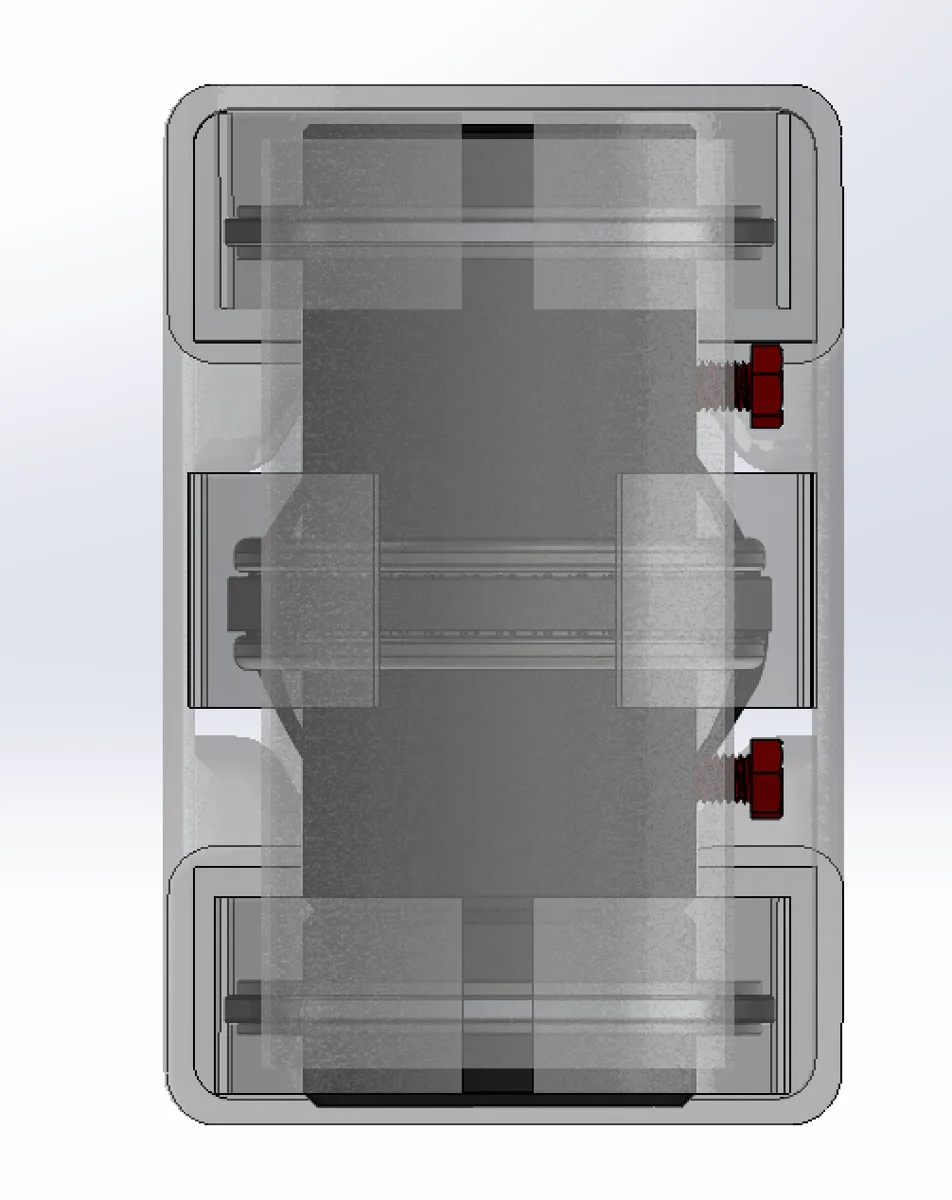
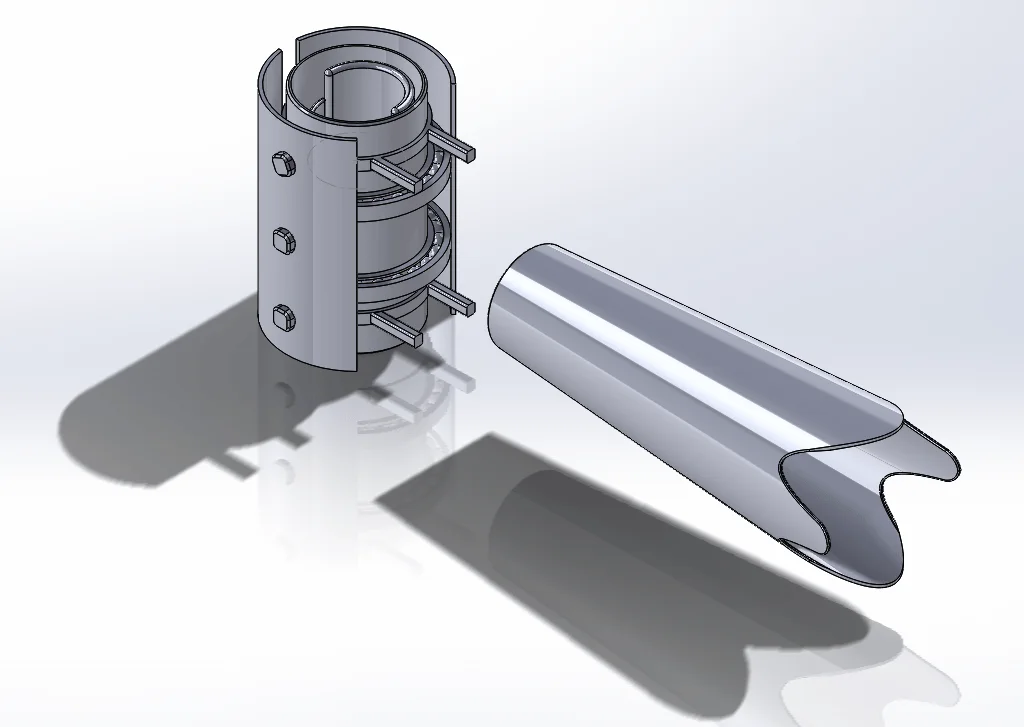
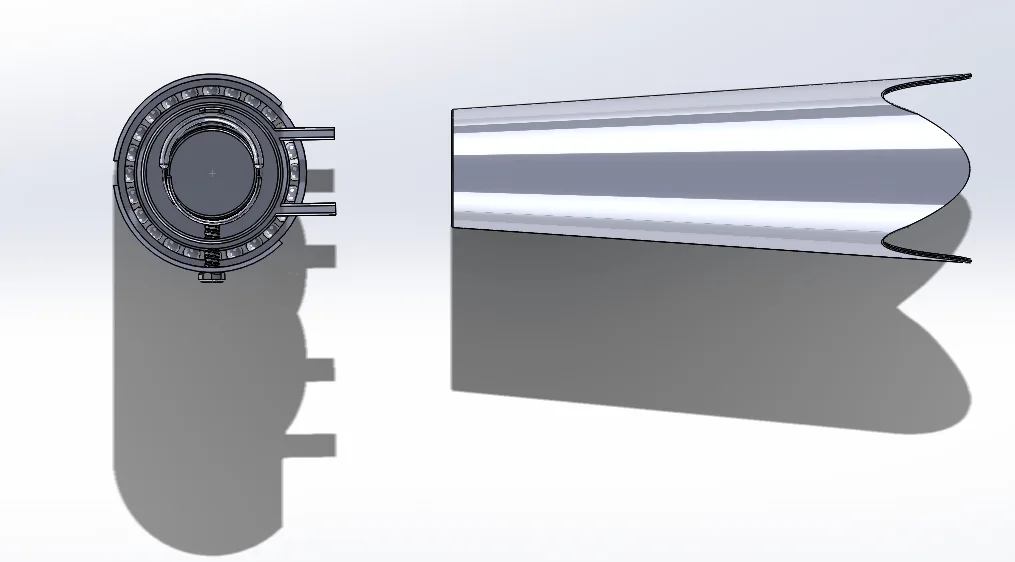
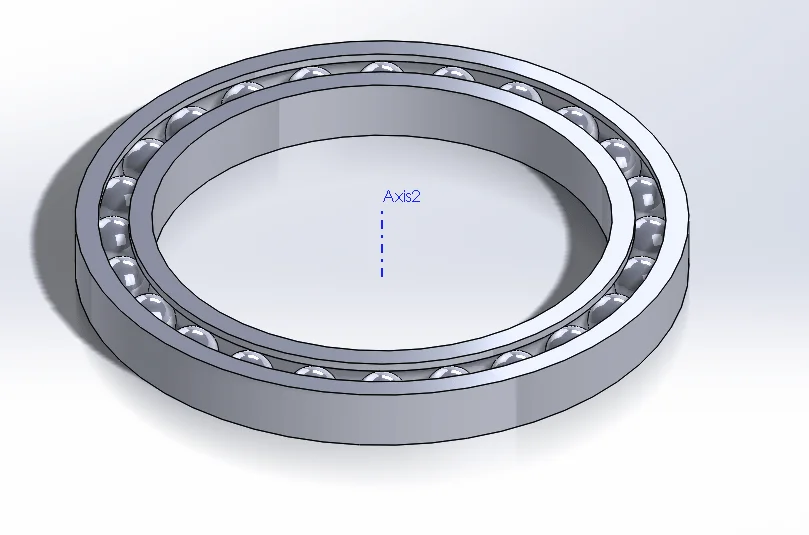
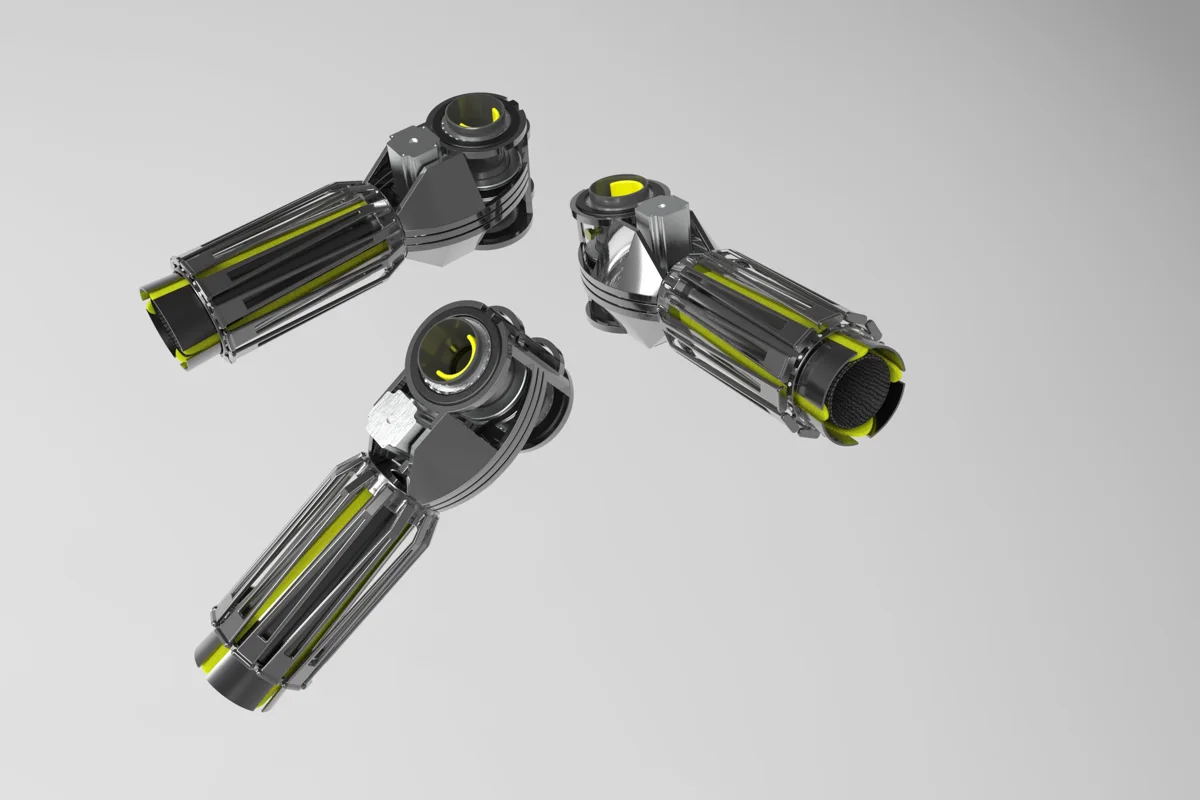
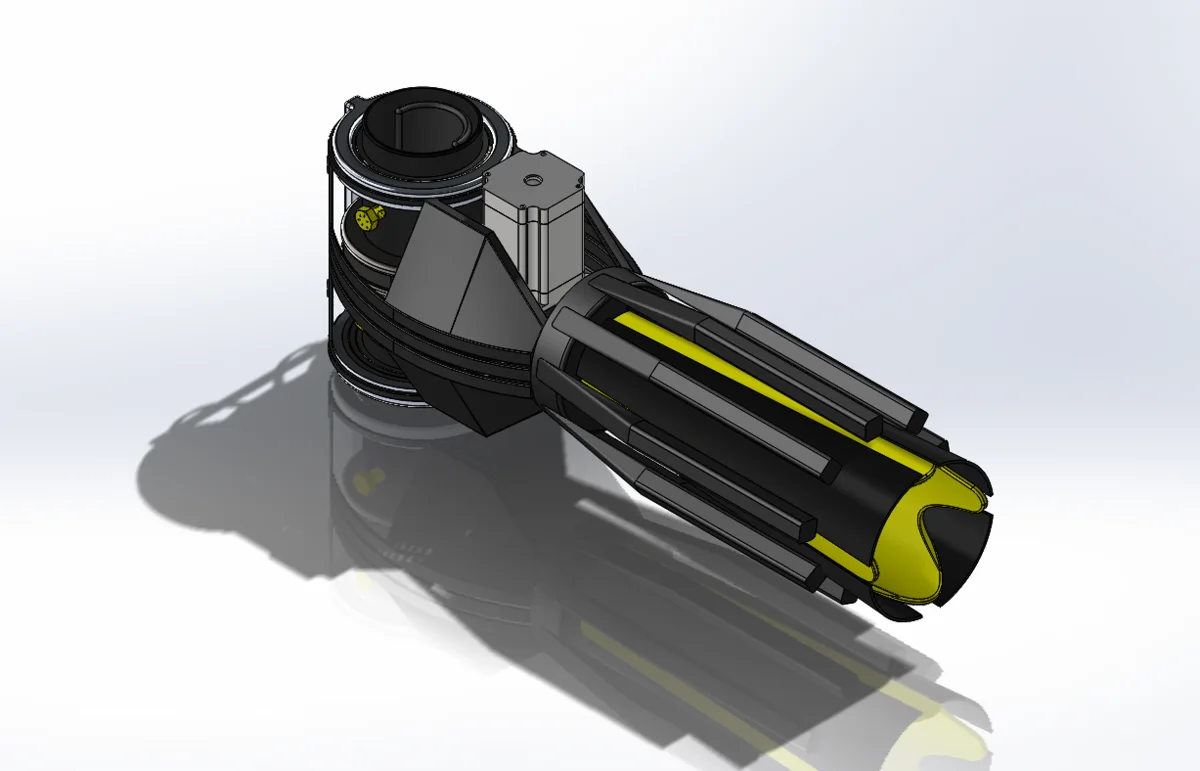
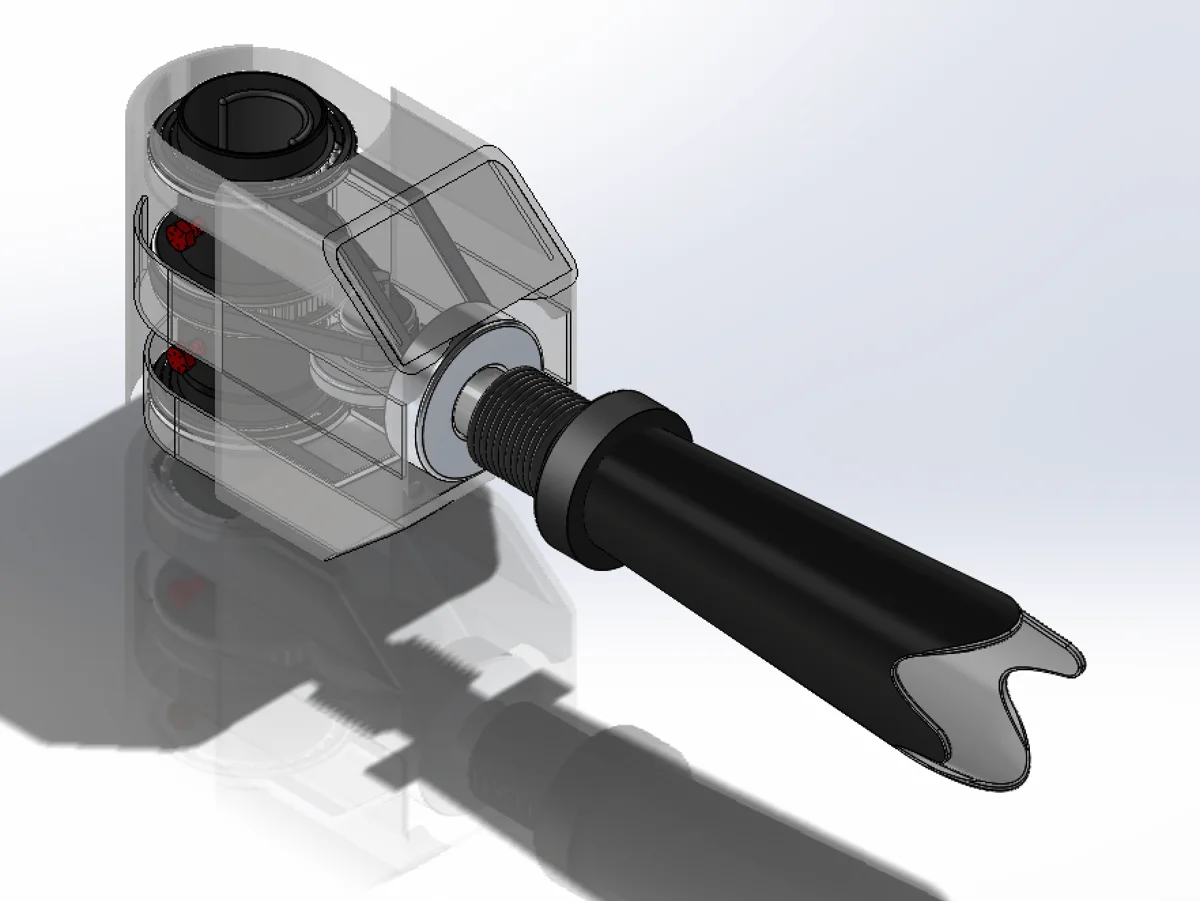
It helps the player rotate the racket grip according to the shot they want to play. It is myoelectric, which means electrodes send muscular signals to the microcontroller that helps in rotating the racket. The belt drive, ball bearings, and the stepper motor are involved in this process. The bold design helps the player embrace their amputation and empowers them to do something they love.
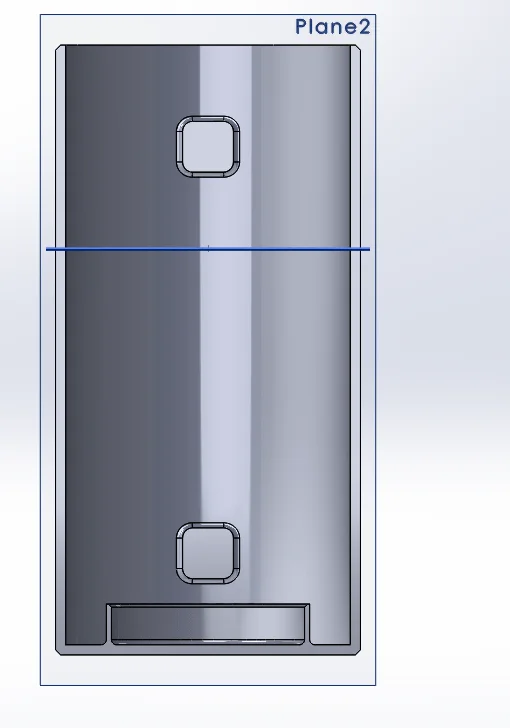
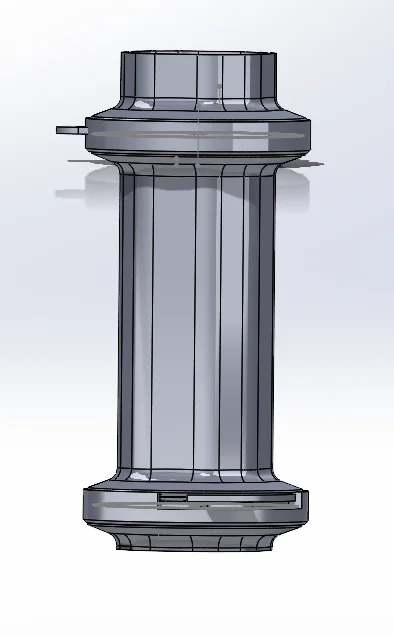
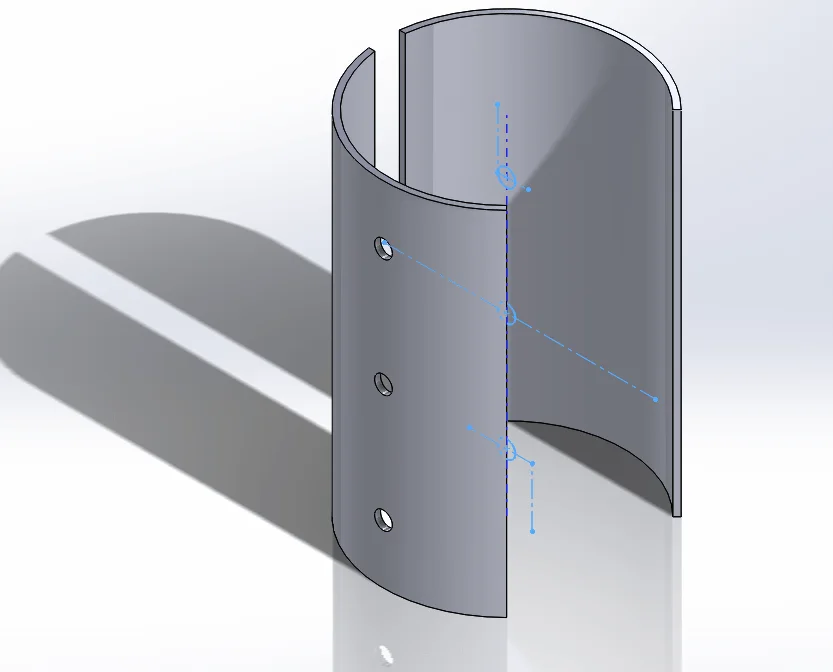
Solidworks iterations
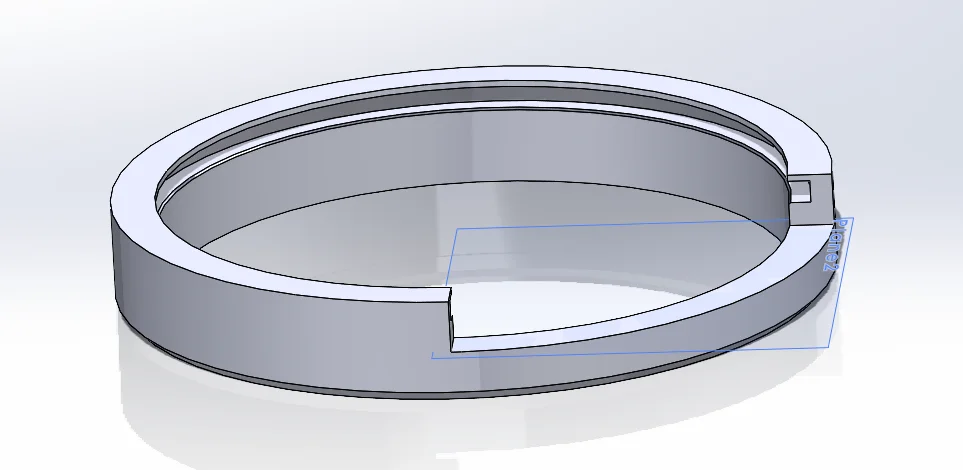
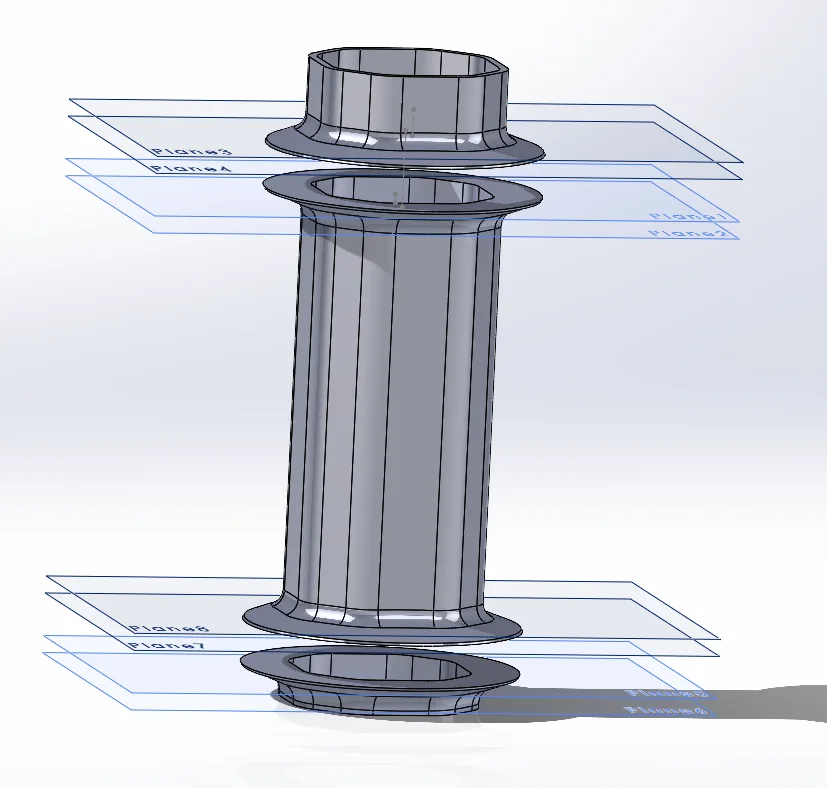
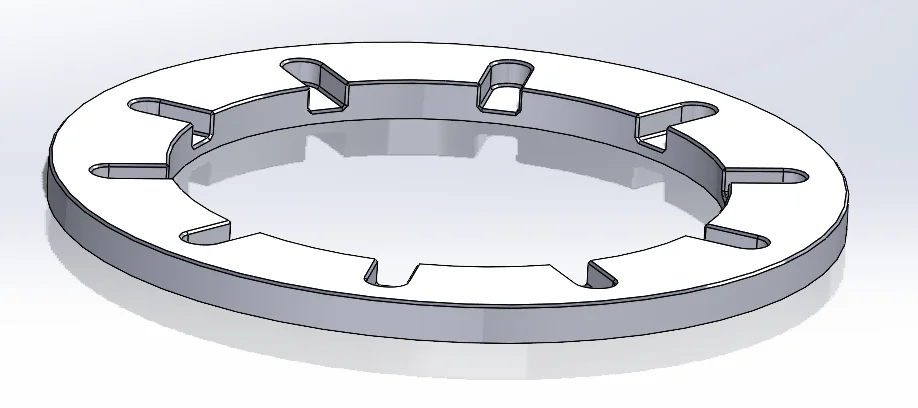
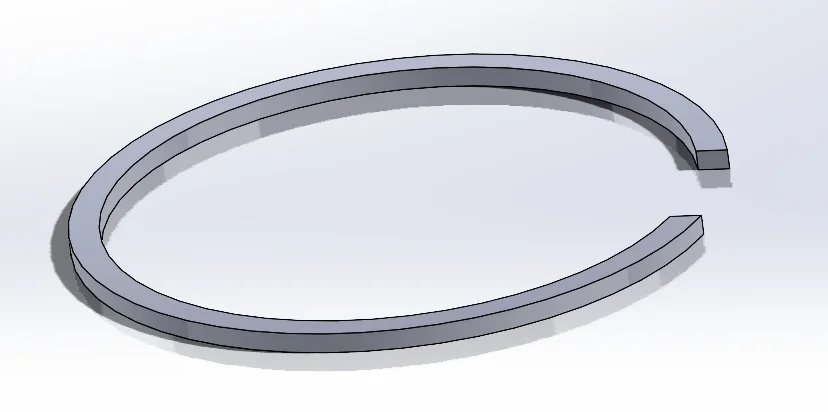
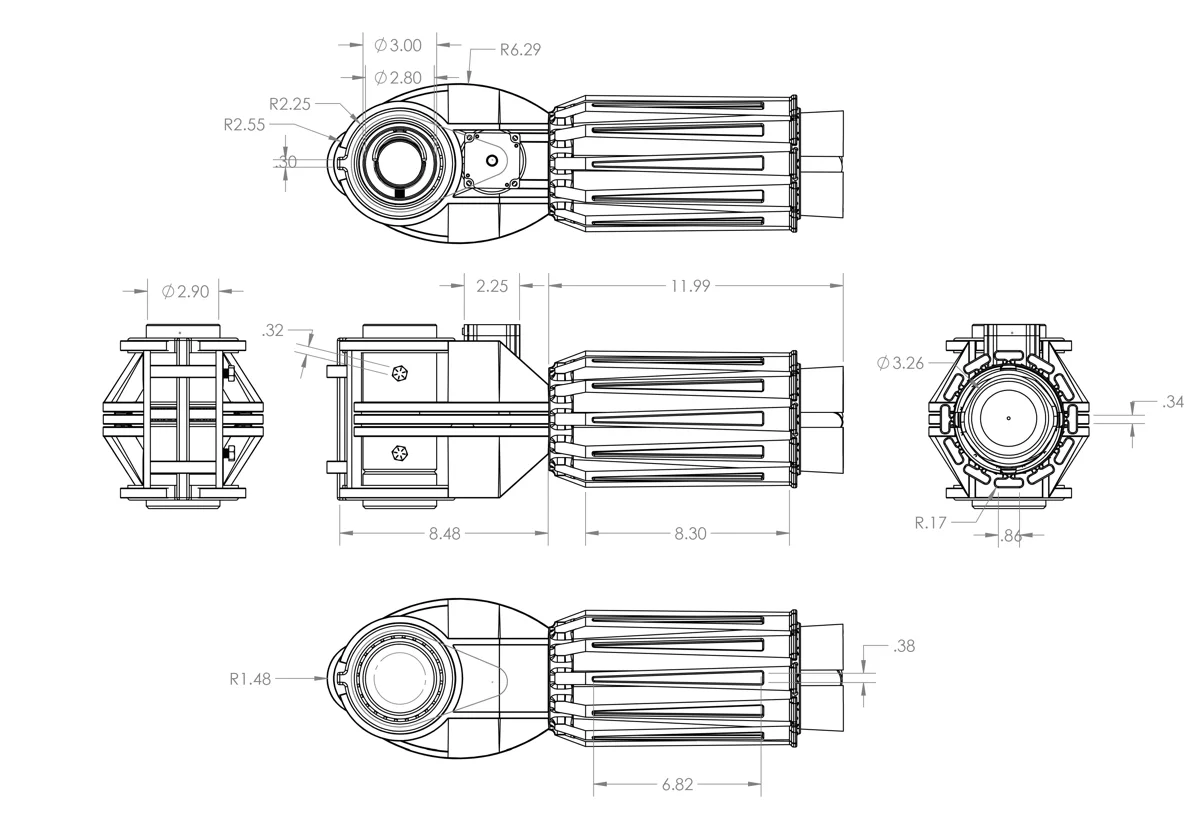
Technical drawing
Final product
Keep exploring
All work